Managing Problems Caused by Damaged Roofs
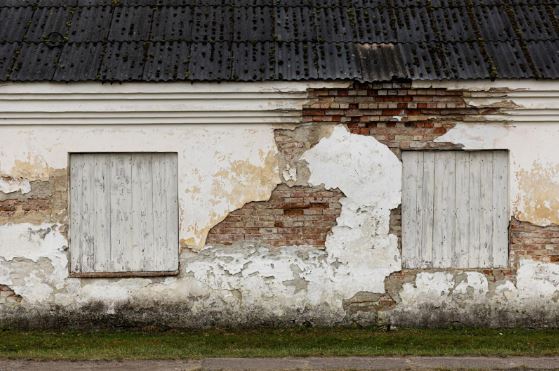
Many homeowners frequently encounter issues related to damaged roofs, particularly in regions characterized by extreme weather conditions. However, many individuals often overlook the early signs of roof damage, which can lead to dire consequences.
However, roof damage isn’t merely a concern for the visual appeal of a home; it can also give rise to significant problems like leaks that have the potential to compromise the building’s structural integrity.
Hence, it’s crucial to understand the methods of identifying and resolving roof problems to ensure the safety and comfort of your home.
6 Signs of Damaged Roof
For effective and precise handling, it’s crucial that you’re familiar with the signs and techniques to identify a damaged roof. Here’s the explanation.
- Age of the Roof
The age of the roof is a crucial factor in determining when the roof should be replaced. Roofs made of clay usually have a lifespan of approximately 20 to 30 years, whereas fiber cement roofs last between 4 to 5 years.
When the roof has reached its designated lifespan, it’s advisable to promptly replace it with a new one. An aging roof indicates that its materials may have started to become brittle and susceptible to damage.
- Condition of the Roof
Examine the sections of the roof that show signs of damage, such as holes, leaks, fractures, or brittleness. Such damages can be attributed to weather-related factors, such as strong winds or heavy rain.
Upon identifying such damages, it’s advisable to swiftly replace the roof with a new one. Such damages have the potential to spread quickly and result in more substantial issues.
- Mossy Roof
Moss commonly thrives in sections of the roof that receive minimal sunlight, leading to elevated moisture levels. This phenomenon can result from the buildup of fallen leaves, tree branches, or other debris that retains rainwater.
The moss that develops on the roof doesn’t just harm the home’s aesthetics; it can also give rise to substantial problems.
Moss holds onto water, leading to the roof becoming moist and eventually suffering damage. Such a situation can weaken the roof’s structural integrity and result in leaks.
- Faded and Sagging Roof
The fading of the roof as a result of sun exposure and other environmental elements signifies the roof’s advanced age. Should the roof begin to sag, it’s important to take immediate action by replacing it. A roof that sags can result in insulation problems and contribute to higher energy expenses.
- Increased Home AC Costs
If you’re experiencing rising expenses for home heating or cooling, it’s highly probable that the cause lies in an inefficient roof’s insulating properties. Roof damage can result in the leakage of hot or cold air, which in turn forces the air conditioning system to operate more intensively.
- Leakage
A leak is a clear signal that there’s a problem with the house’s roof. Although it can be temporarily fixed with patches, the optimal solution is to replace it entirely with a new roof. Leakages can cause harm to ceilings, walls, and even the overall structural integrity of the house if left unattended.
9 Methods for Fixing a Roof in Disrepair
Once you’ve grasped the indicators, the subsequent step involves acquiring knowledge on how to mend a deteriorated house roof. There are 9 steps available for you to follow, which encompass:
- Examining the Areas of Leakage
Spotting the areas of leakage marks the first step in the process of remedying a damaged roof. This entails visually examining the roof from both its interior and exterior, aiming to detect signs of leaks such as water stains or material degradation.
Devices such as a flashlight can be beneficial during this process, especially in sections of the roof that lack adequate illumination. Precision in identification will streamline the repair process, conserving your time and resources.
- Evaluating the Alignment and Displacement of the Roof
Roof shifting can happen due to a variety of factors, including strong winds or structural weaknesses. Conduct an evaluation of the roof’s positioning using measurements and inspections to ascertain whether there’s any displacement requiring rectification.
This may involve using tools like a level and ruler to ensure that the roof is aligned properly. Neglected shifting can result in additional problems down the line, encompassing leaks and structural deterioration.
- Cleaning the Roof and Drainage Channels (Gutter)
Accumulation of soil, leaves, and other debris has the potential to block the drainage channels (gutters), resulting in possible leaks. So, perform regular cleaning as a part of roof maintenance.
Utilize tools like a brush and a water hose to effectively remove dirt from the roof. To prevent blockages, it’s important to conduct regular checks and maintenance on the drainage system.
Engaging in this cleaning routine serves the dual purpose of averting leaks and maintaining the roof’s overall well-being.
- Replacing a Damaged Roof
Replacing any compromised roof segments promptly is essential to prevent additional harm. This could involve replacing the damaged roofing material or patching up leaky areas with suitable materials.
Executing this procedure demands both skill and specialized tools, including the utilization of instruments like hammers, nails, and pliers. Proper replacement will ensure that the roof remains waterproof and protected from the elements.
- Utilizing Plastic Coatings for Safeguarding
An extra safeguard against rainwater can be achieved by incorporating plastic coatings underneath the roof. This proactive measure can contribute to averting potential leaks down the line.
The installation of plastic coatings needs to be meticulous to ensure the absence of any openings or holes that could permit water infiltration. Skill and attention to detail are required to ensure its effectiveness.
- Enhance Roof Protection with Waterproofing
Waterproofing involves applying water-resistant coatings to the roof in order to prevent any leakage. This can be accomplished through the utilization of specialized products specifically designed to resist water.
The process involves starting with roof cleaning, applying the waterproofing product, and concluding with drying.
- Addressing Cracks Using Sealant
Minor cracks can be identified across different sections of the roof and should be swiftly addressed to avert potential leaks. A sealant is a substance utilized to seal minor cracks.
Before applying the sealant, the cracked area should be thoroughly cleaned. This might involve using a wire brush or other tools to remove dirt, dust, or moss that could hinder the application of the sealant.
The sealant should be applied carefully, following the manufacturer’s instructions, which might involve using a spray gun or other tools to evenly distribute the sealant.
Certain cracks may necessitate several coats of sealant to achieve a more efficient repair.
- Examine and Address Roof Sections that Have Been Patched
It’s important to conduct regular checks on damaged roof sections that have been patched to verify the continued integrity of the patching material. In the presence of any damage, the patching material should either undergo repair or replaced.
Regular inspections will help prevent such issues and maintain the roof in its optimal condition.
- Repairing Rain Barriers on Roof Ventilation
Roof ventilation holds a pivotal role within the roofing system, and maintaining rain barriers in optimal shape is essential for energy efficiency and leak prevention.
This procedure includes examining rain barriers for any impairments and carrying out repairs or replacements as deemed necessary. An effective rain barrier will assist in maintaining efficient roof ventilation and preventing rainwater infiltration.
That concludes the comprehensive explanation regarding signs of damage and ways to repair a damaged roof. If you identify these signs during your inspection or maintenance, it’s important not to delay the repairs.
If you’re looking for quality products for Fiber Cement roof repair, Djabesmen offers a range of solutions tailored to your needs. Visit the Djabesmen website today to find the right product!
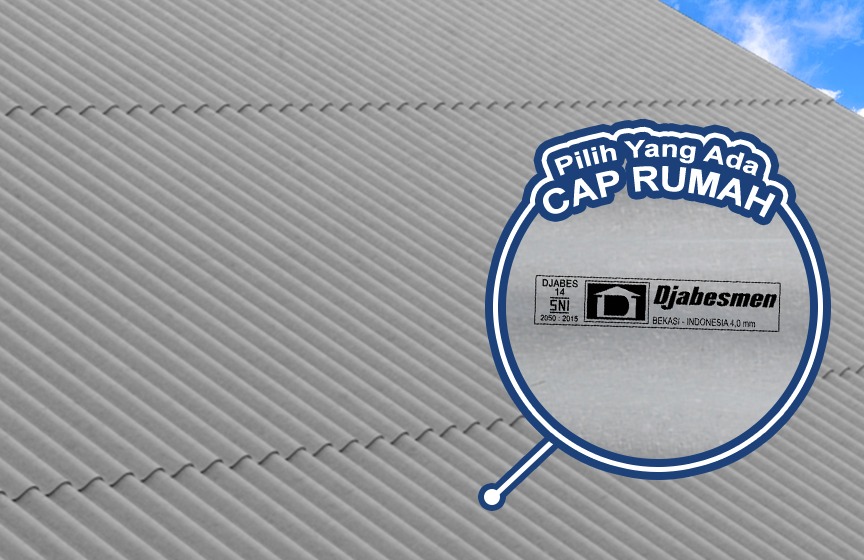
5 Hal yang Perlu Diperhatikan Sebelum Memilih Atap
Bingung memilih atap rumah yang tahan lama? Simak 5 hal penting mulai dari ketahanan cuaca, kualitas, pemasangan, hingga tips memilih atap Djabesmen.
Baca Selengkapnya arrow_right_alt
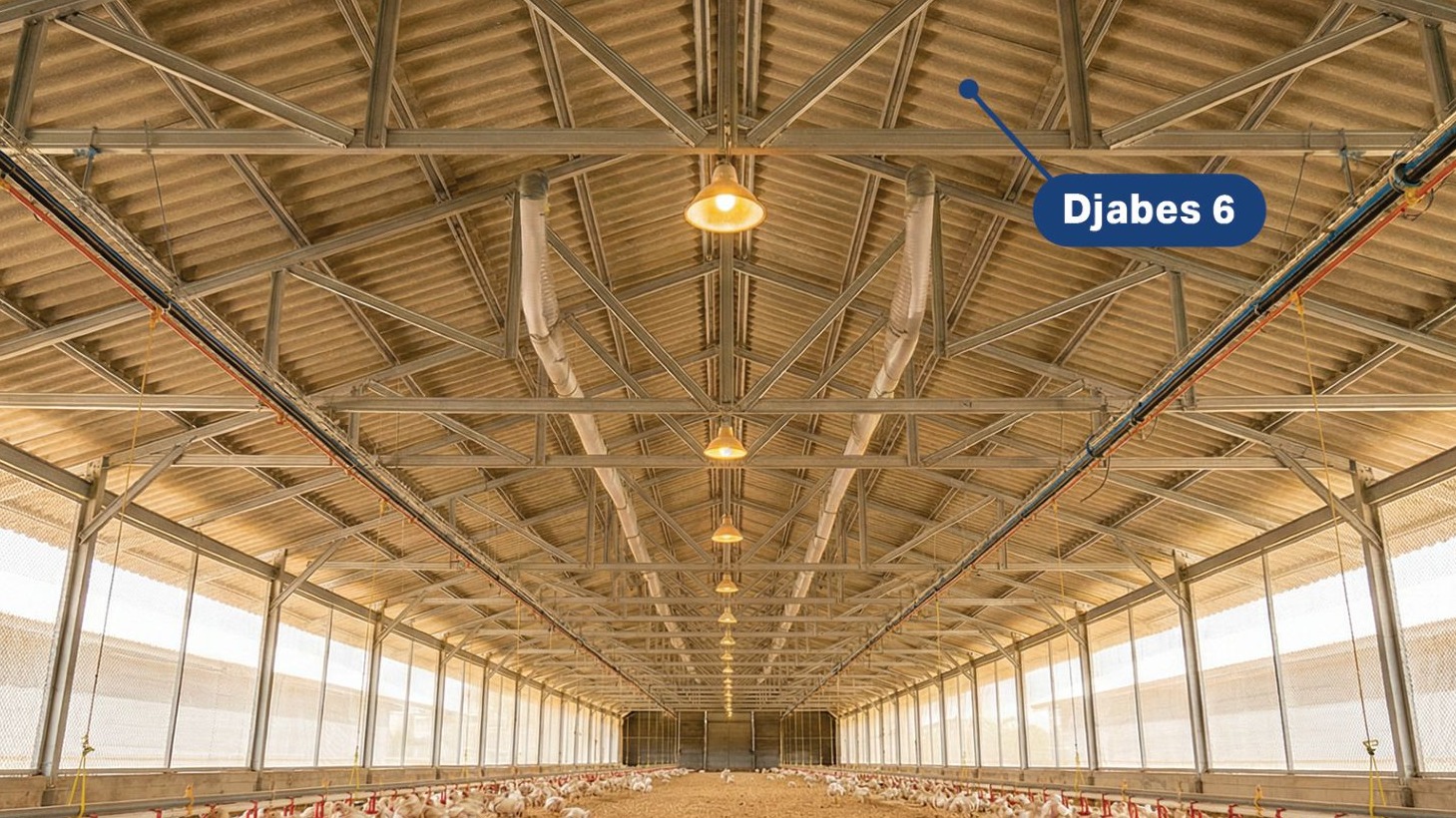
Bagaimana Atap Kandang Ayam Mempengaruhi Suhu dan Produktivitas?
Atap kandang ayam mempengaruhi suhu karena material dan desainnya menentukan seberapa besar radiasi panas masuk ke dalam kandang.
Baca Selengkapnya arrow_right_alt
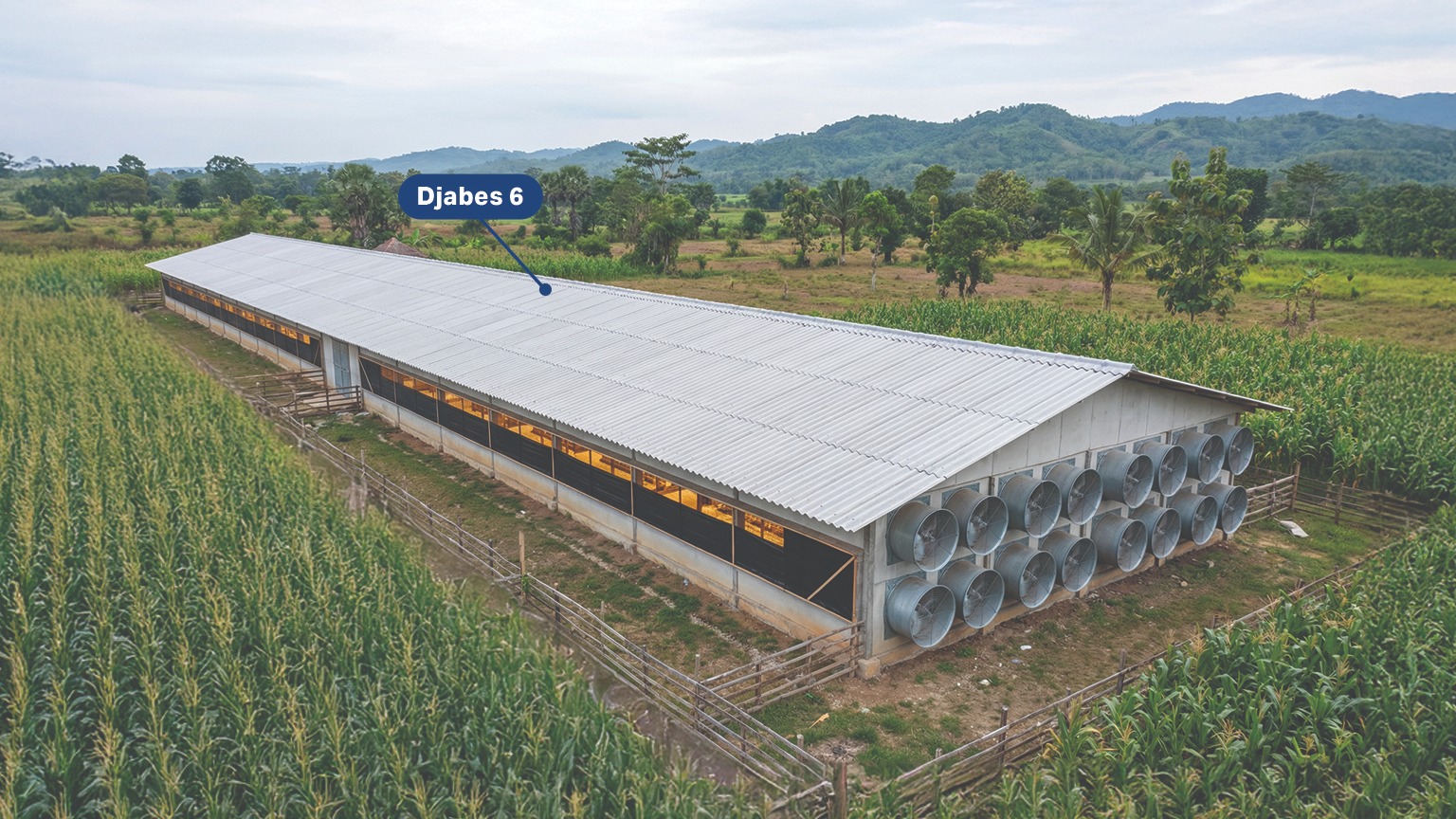
Apa Jenis Atap Terbaik untuk Kandang Ayam? Ini Perbandingan Lengkapnya
Atap fiber semen menjadi pilihan paling stabil untuk kandang ayam di iklim tropis karena memiliki konduktivitas panas lebih rendah dibanding atap metal dan lebih tahan lembap dibanding atap semen konvensional
Baca Selengkapnya arrow_right_alt

3 Jenis Atap Rumah Terkuat yang Paling Diminati
3 Jenis Atap Rumah Terkuat yang Paling Diminati
Baca Selengkapnya arrow_right_alt