Exploring the Perfect Roof Framework Types
.jpg)
There are various types of roof trusses that you can choose from when planning a construction project. Each type of truss comes with its own advantages and disadvantages, making it adaptable to different building types and their purposes.
Since the roof plays a crucial role in providing safety and comfort, it’s important to select the appropriate framework. Read the following explanation thoroughly to discover the roof truss that best suits your construction needs!
Types of Roofs Trusses
When discussing the types of roof trusses, you are delving into the various materials used in constructing these frameworks.
In ancient times, the materials known for creating roof trusses were likely natural elements such as wood and bamboo. However, as time progressed, a variety of metal materials also became suitable for crafting roof trusses.
Certainly, these materials can impact the functional and aesthetic value of the building’s roof, necessitating careful considerations. By examining the advantages and disadvantages of each type, you can make a choice according to your needs.
The following is an explanation of the different types of roof trusses. Make sure you are acquainted with them before making a selection.
- Wooden Roof Framework
Wood stands as a traditional roofing material that has been widely employed through time and continues to be prevalent in various building types today.
The standout feature of this roof framework lies in its inherent ease of shaping, making it a versatile option for designing various roof configurations. This adaptability makes it a popular choice for both residential roofs and diverse building structures.
Additionally, wood infuses a natural ambiance, lending a cool and refreshing atmosphere.
However, opting for high-quality wooden roof frames can entail a higher cost and prove somewhat challenging to source.
Furthermore, wood exhibits certain drawbacks, including susceptibility to decay, termite infestation, and susceptibility to mold. In regions with elevated humidity levels, these risks become more pronounced.
Hence, the usage of wood necessitates meticulous upkeep to ensure prolonged durability. Neglecting proper maintenance can result in a variety of risks and accelerate its deterioration.
The choice of wood type also significantly impacts its longevity, underscoring the importance of a well-considered selection.
Moreover, when employing a wooden roof framework, fire vulnerability must be acknowledged. Despite its inherent strength, wood is highly combustible and can be entirely consumed in the event of a fire.
- Steel Roof Framework
Choosing the appropriate roof frame type should undoubtedly align with the needs and functions of a building. For larger structures such as warehouses and factories, a roofing material with exceptional strength is often essential.
A steel roof framework can offer a fitting solution in such cases. Besides its remarkable strength, steel is also known for its size and length, making it a reliable support for roof construction.
While commonly used for sizable structures, steel can also be employed for residential roof frameworks. However, the design of the house must be taken into account, potentially widening its layout to accommodate the steel framework.
Despite its numerous advantages, steel does have a drawback: susceptibility to corrosion or rust over time. To minimize this risk, it’s advisable to use anti-corrosion coatings. Diligent maintenance is also crucial, including periodic recoating to prevent corrosion.
Furthermore, due to its considerable weight, careful consideration is required when using steel for roof framework construction.
- Lightweight Steel Roof Framework
Moving on from our previous discussion about steel, let’s now explore the realm of lightweight steel roof structures. This material is a blend of steel, zinc, and aluminum.
Unlike solid steel, it’s not as heavy, making it a suitable choice if you seek a robust yet less burdensome framework solution.
Beyond its weight advantage, this material also boasts a fire resistance, a particularly valuable trait in the face of potential disasters like fires.
Maintenance-wise, it’s relatively straightforward due to its resistance to termites and ability to withstand diverse weather conditions. This convenience proves beneficial, especially for those who find the complex roof framework upkeep challenging.
However, there’s a drawback: it comes in predetermined shapes. As a result, if you’re envisioning an unconventional or distinct roof design, opting for an alternative material might be more suitable.
- Bamboo Roof Framework
The next roof framework types are made from bamboo. Since ancient times, in addition to wood, bamboo has also been a frequently used material for roof frameworks.
By opting for this type of roof framework material, you can achieve a traditional aesthetic for your home or various other types of buildings. Its usage can be combined with wood materials.
Up to the present day, bamboo roofs are commonly found in structures such as pavilions and open-sided halls. If you aim to evoke a classic architectural theme, bamboo material can also be a favorable consideration.
Similar to wood, bamboo also has inherent weaknesses, being susceptible to decay and potential termite infestation.
Hence, appropriate maintenance is necessary if you intend to use this material. Ensure regular cleaning is carried out to extend its lifespan.
- Reinforced Concrete Roof Framework
The fourth type features a reinforced concrete roof framework. By employing this material, you can achieve a strong and durable roof framework.
Furthermore, a notable advantage of reinforced concrete lie in its malleability to take on various roof designs. You can create flat roofs, sloped roofs, and more, aligning with the building’s architectural concept.
Reinforced concrete can even support dome-shaped roof for diverse projects, offering versatility beyond the ordinary.
Utilizing this material can undoubtedly simplify unconventional construction concepts.
Apart from its exceptional strength, reinforced concrete is also highly resistant to decay. If you’re seeking an alternative to wood due to susceptibility to decay, this could be a suitable option.
However, this material has a drawback: it is considerably heavier. Therefore, careful consideration should be given before selecting this reinforced concrete option.
Another downside is that making it is quite complicated, so it takes a lot of time and skilled effort.
These are the different types of roof frameworks that you should be aware of, including their strengths, weaknesses, and common uses. With this knowledge, you can select the most suitable type for your house or building project.
After deciding on and choosing the type of roof framework, it’s also advisable to ensure that you use the highest quality roofing material. Djabesmen’s products, which can be applied to both metal and wood frameworks, might offer a solution for you!
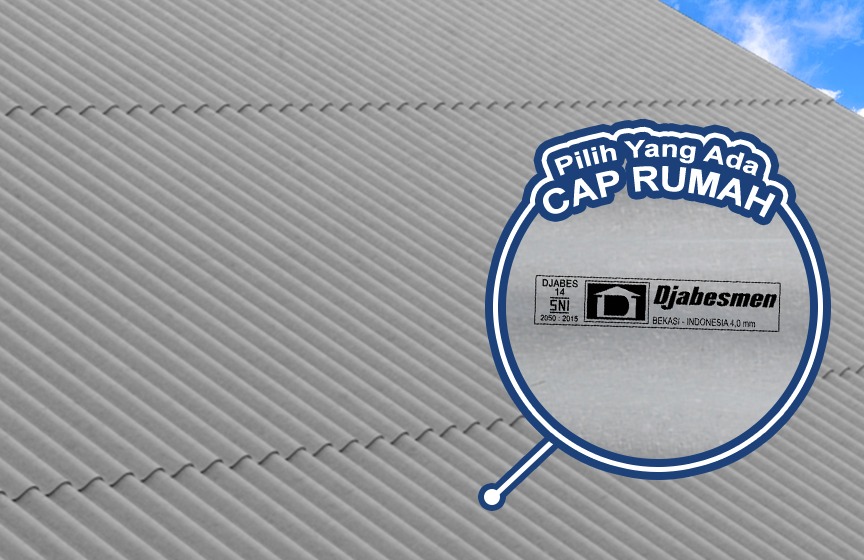
5 Hal yang Perlu Diperhatikan Sebelum Memilih Atap
Bingung memilih atap rumah yang tahan lama? Simak 5 hal penting mulai dari ketahanan cuaca, kualitas, pemasangan, hingga tips memilih atap Djabesmen.
Baca Selengkapnya arrow_right_alt
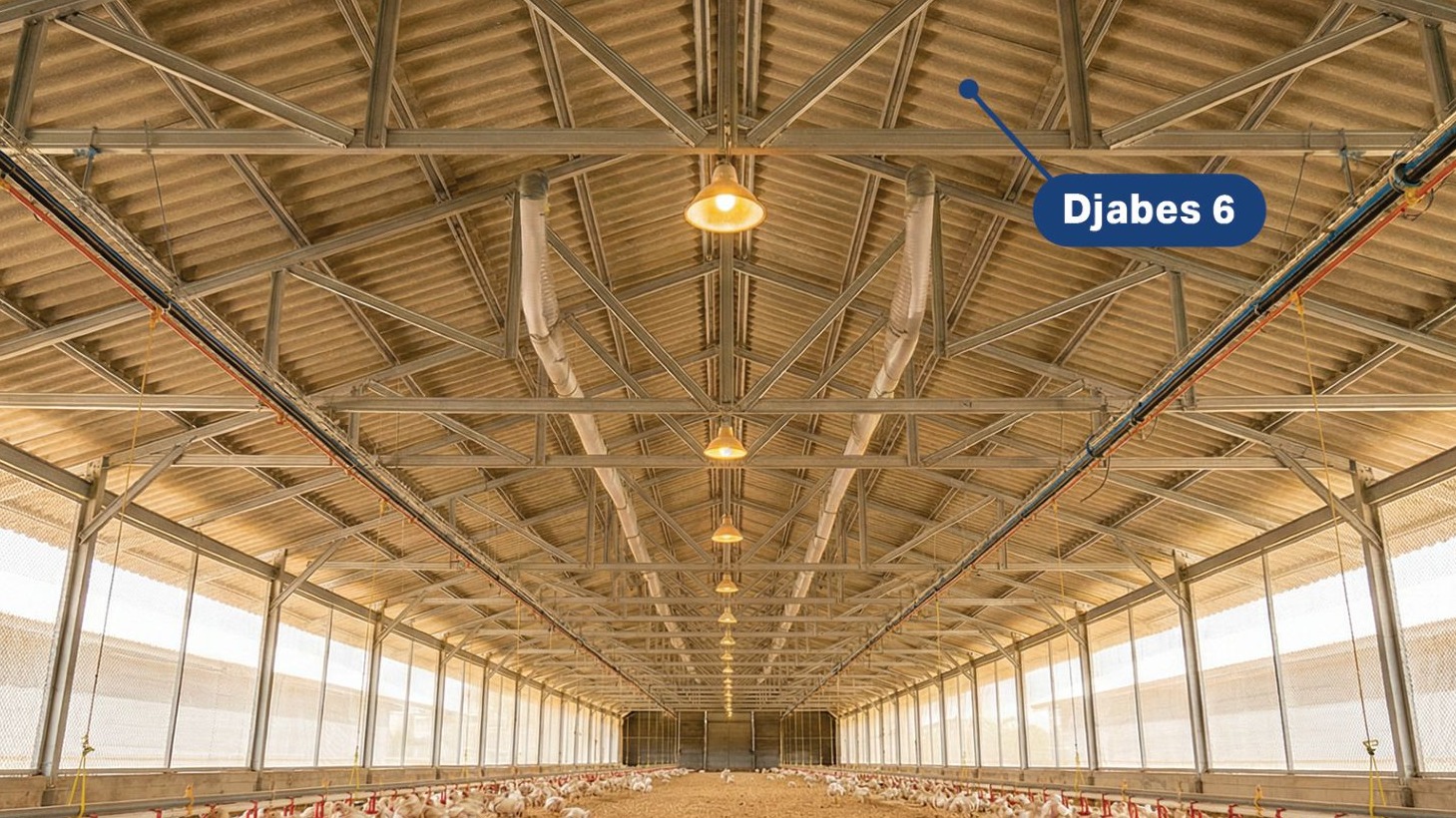
Bagaimana Atap Kandang Ayam Mempengaruhi Suhu dan Produktivitas?
Atap kandang ayam mempengaruhi suhu karena material dan desainnya menentukan seberapa besar radiasi panas masuk ke dalam kandang.
Baca Selengkapnya arrow_right_alt
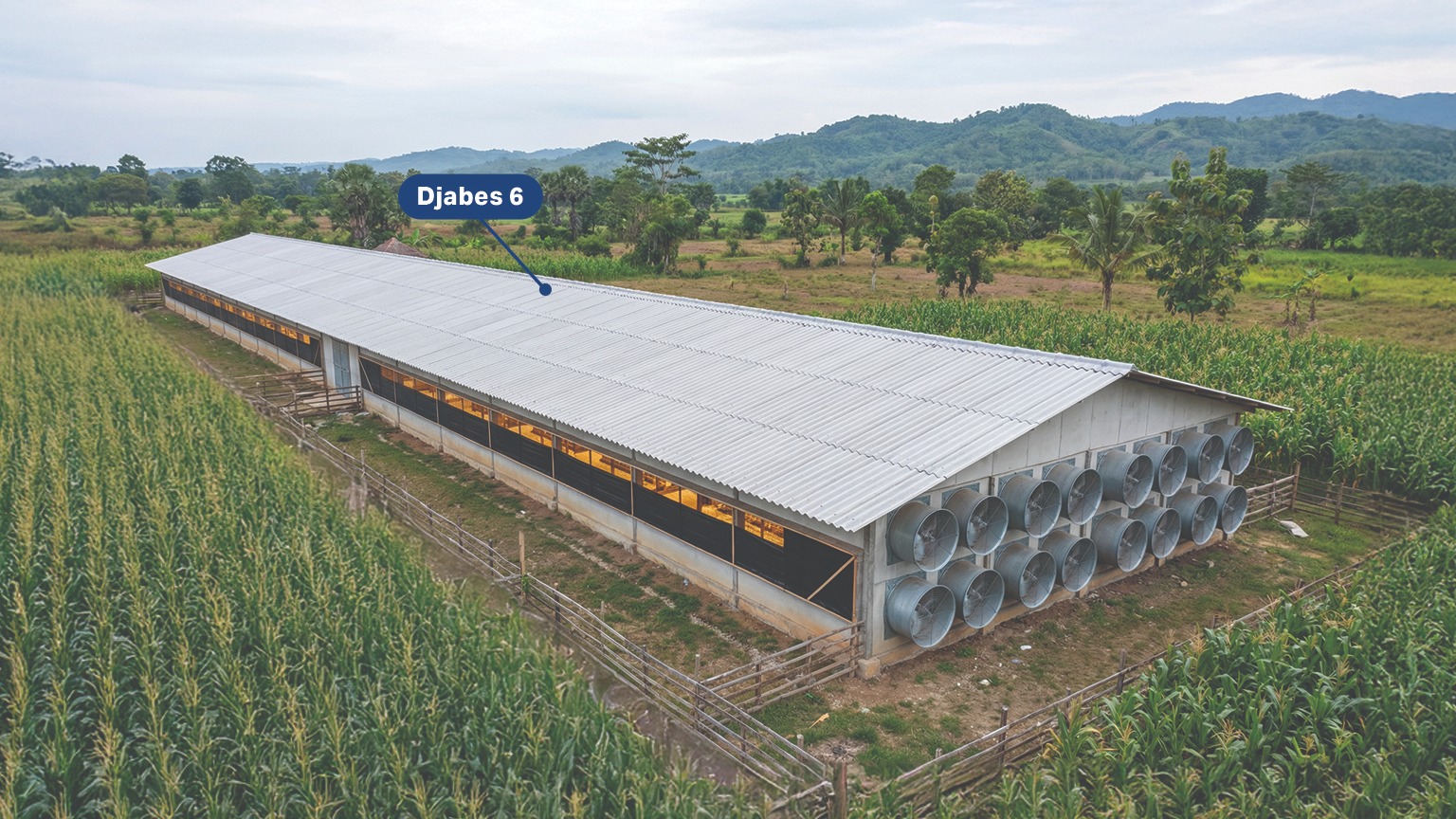
Apa Jenis Atap Terbaik untuk Kandang Ayam? Ini Perbandingan Lengkapnya
Atap fiber semen menjadi pilihan paling stabil untuk kandang ayam di iklim tropis karena memiliki konduktivitas panas lebih rendah dibanding atap metal dan lebih tahan lembap dibanding atap semen konvensional
Baca Selengkapnya arrow_right_alt
3 Jenis Atap Rumah Terkuat yang Paling Diminati
3 Jenis Atap Rumah Terkuat yang Paling Diminati
Baca Selengkapnya arrow_right_alt